


Before it became a label you could pick up on the high street, Lambretta was already part of something bigger. It is one of those names that never stood on its own. From the beginning, it has been tied to movement, youth culture, and a distinctly British way of dressing that values sharpness, simplicity and intent. The brand does not rely on reinvention. Its story was written decades ago on the streets, long before it appeared on a clothing tag.
An icon of style and culture
From post-war Milan to swinging London and the late 1970s Mod revival, Lambretta has carried weight far beyond its original purpose. The scooters were not just machines. They became symbols. In time, they were linked to figures like Paul Newman and James Dean, while the clothing later found its place on artists such as Paul Weller and Carl Barât.
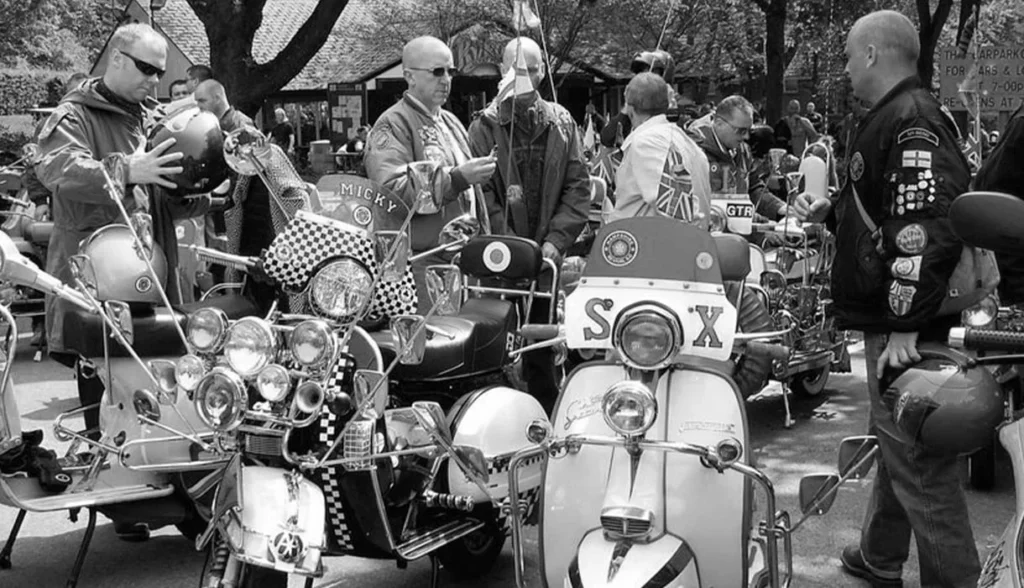
© Lambrettascooters.com
The Lambretta name and script logo came to represent more than a product. It stood for a way of life. Clean lines, attention to detail, and a quiet confidence that never needed to shout. That identity carried through decades of changing trends without losing its core.
A rich history rooted in Italian ingenuity
The story starts in Milan in 1947, when Ferdinando Innocenti introduced the first Lambretta scooter, the Model A. Built for a country rebuilding after the war, it was practical, affordable and forward-thinking. Through the 1950s and 1960s, Lambretta spread across Europe and into the UK, where it took on a new meaning.

In Britain, the scooters became part of the Mod movement. They were customised, polished and treated as extensions of personal style. The look around them followed the same rules. Tailored shirts, fitted polos, parkas and polished shoes. Everything was deliberate. Presentation mattered. That discipline became the foundation that Lambretta Clothing would later build on.
Turning heritage into clothing
When Lambretta Clothing arrived, it did not try to rewrite history. It leaned into it. The brand drew directly from its roots, using familiar elements like the target logo and the stripped-back Mod aesthetic. The focus stayed on staples. Polos, lightweight jackets, knitwear and graphic tees that feel easy to wear but carry cultural weight.
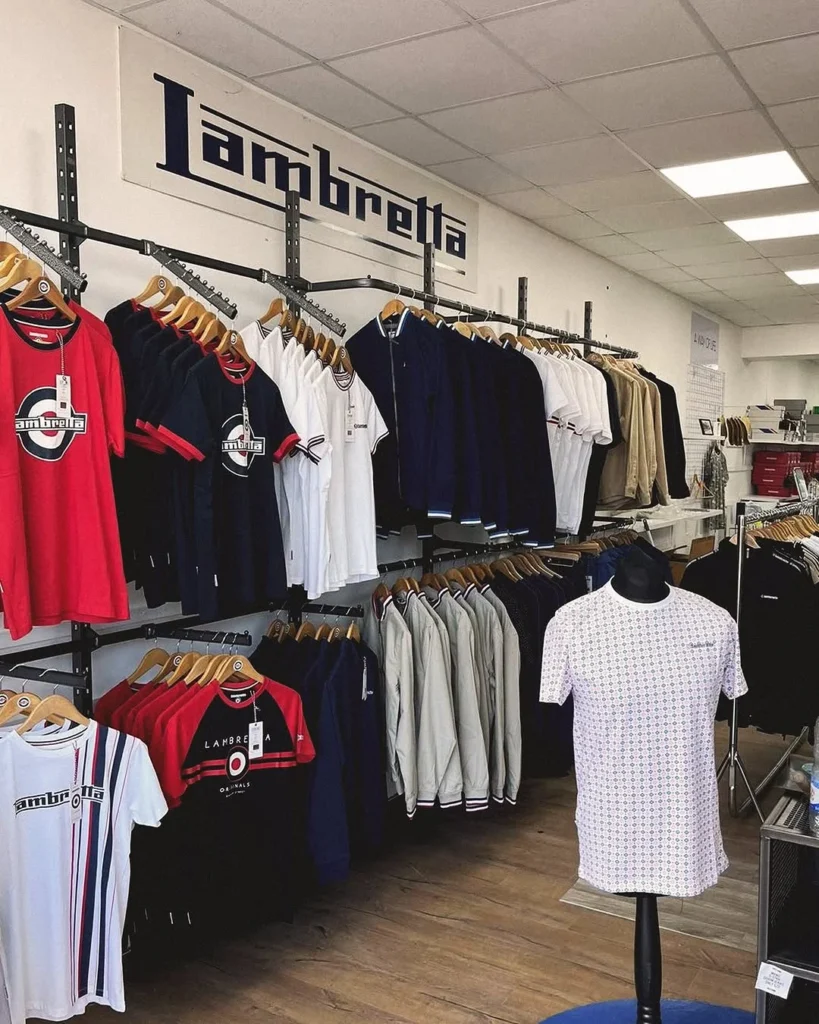

© Instagram of Lambrettra
There is restraint in the design. Nothing feels overworked. That simplicity is the point. The brand works best when it stays close to its origins, offering pieces that fit naturally into everyday wardrobes without losing their edge. That same DNA also connects to related subcultures. Early skinhead style, which grew out of Mods, shares that appreciation for clean lines and functional clothing. Lambretta fits comfortably in both worlds.
A 75 year legacy
Lambretta Clothing blends Milan and London influences into something that feels both vintage and current. It appeals to those who remember where it comes from and to a younger crowd discovering it for the first time. What keeps it relevant is not innovation, but consistency.
The polos remain the strongest example. Slim fits, tipped collars and subtle branding that nods to heritage without becoming costume. That balance is key. Push too far into nostalgia and it feels forced. Strip it back too much and the identity disappears. Lambretta tends to sit right in the middle.


© Instagram of Lambretta
Like many heritage brands, it has had uneven periods, especially as ownership shifted and it moved closer to the mainstream at times. Even so, the core idea has stayed intact. It has also remained accessible. That matters. The culture it comes from has always valued how you wear something over how much it costs.
A brand that knows its place
Today, Lambretta Clothing is not trying to lead fashion forward. It does not need to. Its role is more grounded. It preserves a look and a feeling that has already proven itself over time. In a landscape driven by fast trends and short attention spans, that kind of stability stands out.
Lambretta is not about chasing the next thing. It is about holding onto something that worked, refining it, and keeping it relevant without losing its core. That is exactly why it still resonates.